Ledger.com/Start: Your Guide to Setting Up and Securing Your Ledger Wallet
Cryptocurrency ownership comes with responsibility. Protecting your digital assets starts with controlling your private keys. Ledger hardware wallets provide one of the safest ways to store crypto offline, shielding your funds from hacks and malware. To begin using your Ledger wallet correctly, you should start at Ledger.com/start, the official onboarding page designed to guide users through setup, device initialization, and account management. This guide explains the full process so you can start using your Ledger wallet confidently and securely.
What Is a Ledger Wallet?
A Ledger wallet is a hardware device that securely stores cryptocurrency private keys offline. Unlike software wallets or exchange accounts, Ledger ensures your keys never leave the device, minimizing exposure to cyberattacks.
Ledger offers several models to suit different needs:
Ledger Nano S Plus – compact, affordable, and beginner-friendly
Ledger Nano X – includes Bluetooth connectivity and larger storage for multiple crypto apps
Ledger Stax – premium model with a touchscreen interface and advanced functionality
Each device allows you to manage multiple cryptocurrencies while keeping private keys isolated and secure.
Why Use Ledger.com/Start?
Ledger.com/start is the official starting point for new Ledger users. Using this page ensures you:
Download the authentic Ledger Live application
Initialize your device safely
Set a secure PIN and record your recovery phrase correctly
Connect your wallet to Ledger Live without compromising security
Apply firmware updates as recommended
Following these instructions prevents common mistakes that could put your cryptocurrency at risk.
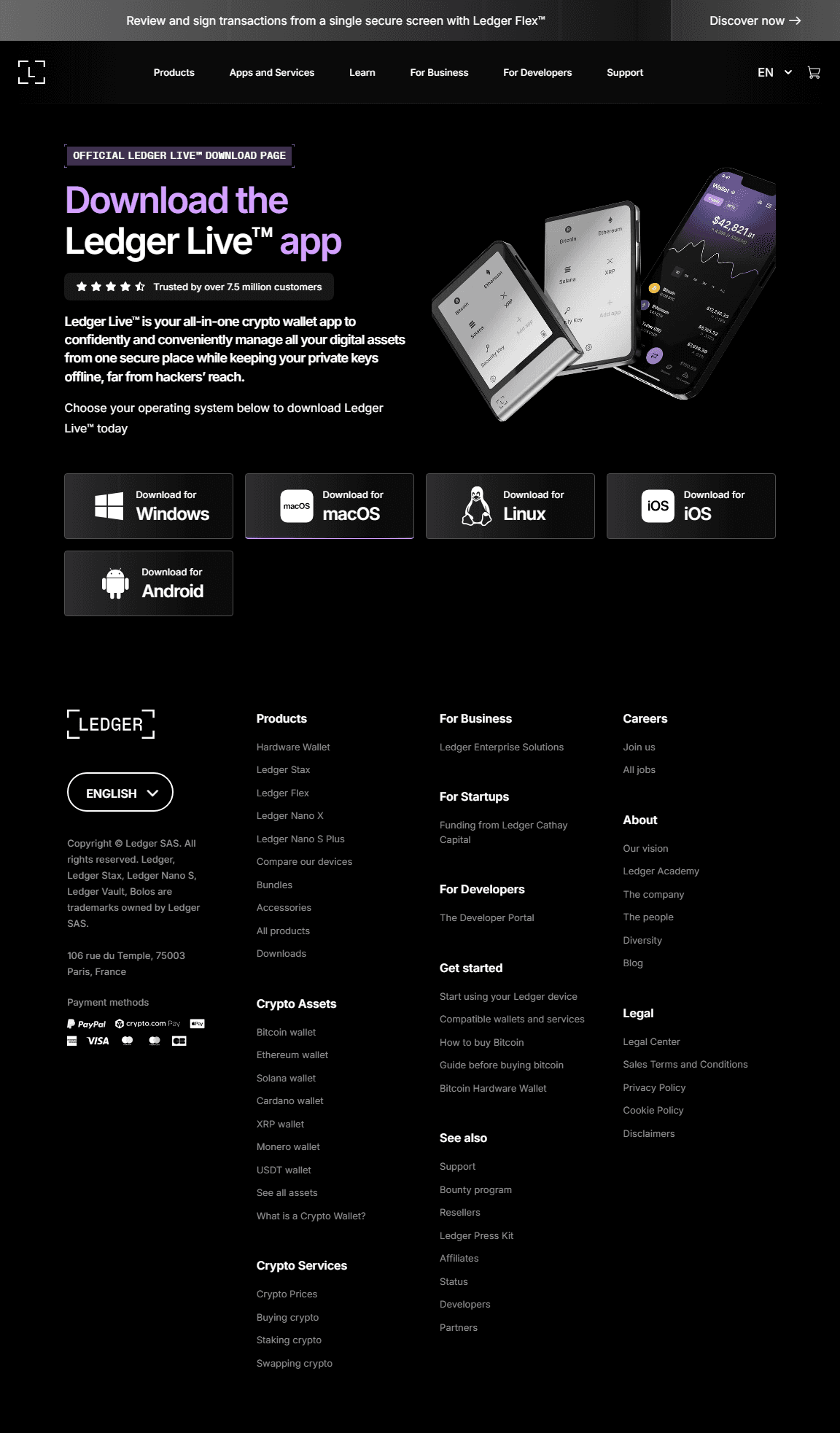
Step 1: Download Ledger Live
The first step is to download Ledger Live, the official software that allows you to manage your Ledger wallet. Ledger Live is available for:
Windows
macOS
Linux
Android
iOS
Downloading Ledger Live from the official website guarantees you are using a legitimate, secure version. Ledger Live provides a dashboard for:
Monitoring account balances
Sending and receiving cryptocurrency
Managing multiple accounts
Installing and updating cryptocurrency apps
Step 2: Initialize Your Ledger Device
After installing Ledger Live, it’s time to initialize your hardware wallet. Initialization involves:
Powering on your device
Setting a PIN code to secure the wallet
Recording your recovery phrase
The recovery phrase is a 24-word backup that allows you to restore your wallet if the device is lost, stolen, or damaged.
Security tips:
Write your recovery phrase on the card provided and store it in a secure location
Never store it digitally or take a photo
Treat your PIN and recovery phrase as the most sensitive information for your wallet
Step 3: Connect Your Ledger Device to Ledger Live
Once initialized, connect your Ledger device to your computer or mobile device. Ledger Live will detect the device and guide you through:
Firmware verification to ensure your device is up-to-date
Authenticating the device to confirm it is genuine
Setting up accounts for supported cryptocurrencies
This step ensures your device is ready for safe and secure use.
Step 4: Add Cryptocurrency Accounts
After logging in through Ledger Live, you can add accounts for the cryptocurrencies you hold. Ledger supports hundreds of assets, including:
Bitcoin (BTC)
Ethereum (ETH)
Litecoin (LTC)
Ripple (XRP)
Cardano (ADA)
Thousands of ERC-20 tokens
Ledger Live allows you to:
View account balances and transaction history
Manage multiple accounts simultaneously
Monitor overall portfolio performance
Your private keys remain on the Ledger device at all times, ensuring maximum security.
Step 5: Sending and Receiving Cryptocurrency
Receiving Cryptocurrency
Open Ledger Live and select the desired account
Click “Receive”
Verify the address displayed on your Ledger device
Share the verified address with the sender
Sending Cryptocurrency
Select the account from which you want to send
Enter the recipient’s address and the amount
Review transaction details and network fees
Confirm the transaction physically on your Ledger device
Requiring physical confirmation prevents unauthorized transactions and protects your funds.
Security Best Practices
To ensure your wallet remains secure:
Never share your recovery phrase
Keep your PIN confidential
Always download Ledger Live from the official website
Regularly update firmware and Ledger Live
Avoid phishing emails, fake websites, or unsolicited messages
Your recovery phrase is the most important element of wallet security, and protecting it is essential for keeping your funds safe.
Troubleshooting Common Issues
Some users may encounter issues during setup or use:
Device not recognized: Check your USB connection or try a different port; restart Ledger Live if necessary
Forgotten PIN: Restore your wallet using the recovery phrase on a new Ledger device
Firmware updates required: Follow the instructions in Ledger Live carefully
Ledger.com/start provides guidance to resolve these issues safely and maintain wallet security.
Conclusion
Ledger.com/start is the official starting point for securely setting up your Ledger hardware wallet. By following the instructions, downloading Ledger Live, initializing your device, and securing your PIN and recovery phrase, you can safely manage your cryptocurrency. Ledger hardware wallets provide one of the most secure solutions for storing digital assets, and starting correctly through Ledger.com/start ensures your funds remain protected from hacks, scams, and unauthorized access. With Ledger as your guide, managing cryptocurrency is safe, efficient, and reliable.